Did you know that hiring managers form an opinion about your tone within the first seven seconds of an interview? Seven seconds! That’s barely enough time to say “hi, nice to meet you” before someone’s already judging whether you sound confident or like you’re about to pass out. I learned this the hard way, and honestly, it changed how I prep for interviews forever.
Let me tell you about the time I bombed an interview because I sounded, according to my own recording, “aggressively nervous.” That’s a direct quote from my sister, who I forced to listen to it. Tone matters just as much as what you’re actually saying, and that’s exactly why AI mock interview tone analysis has become such a huge deal lately!
What Even Is AI Mock Interview Tone Analysis?
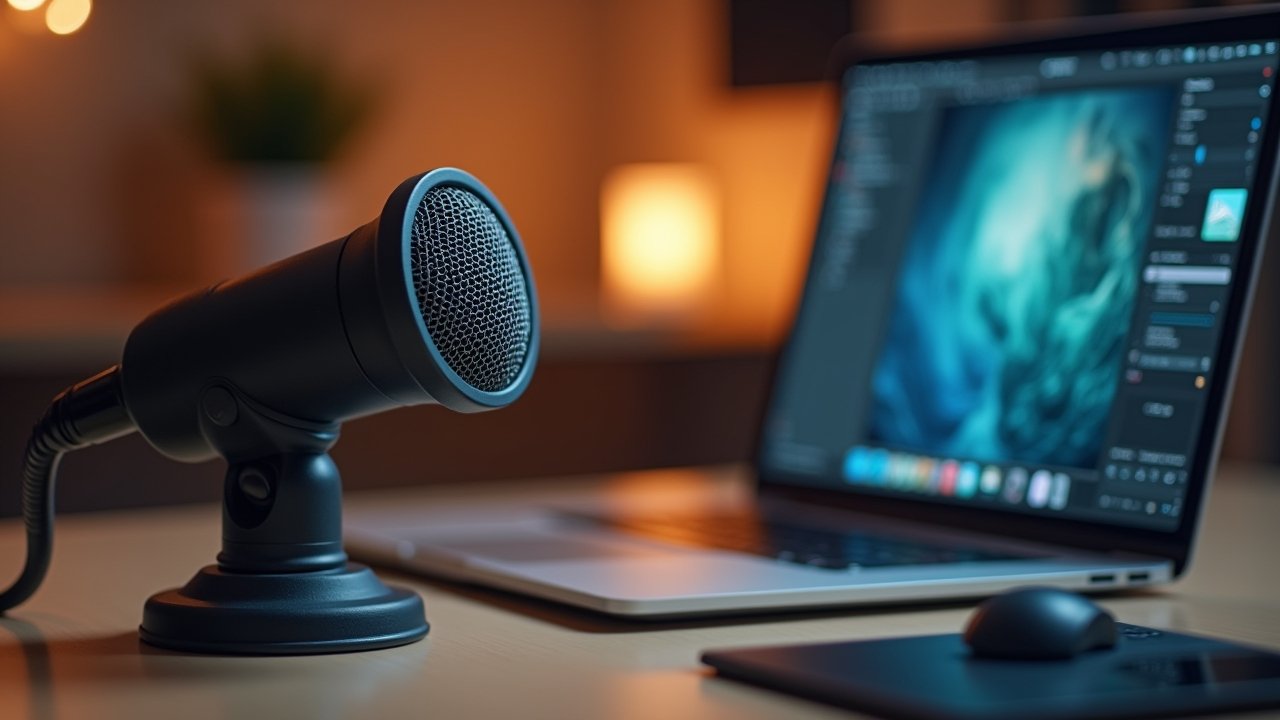
Okay so here’s the deal. AI mock interview tone analysis is basically software that listens to you practice answering interview questions and then breaks down HOW you’re saying things, not just what you’re saying. We’re talking pitch, pace, filler words, confidence levels, and even whether you sound monotone or engaged.
I remember when I first tried one of these tools, I thought it was gonna be some gimmicky nonsense. Boy was I wrong. The thing picked up on the fact that I say “um” like every third word when I’m nervous, something I genuinely had no clue about. My friends never told me. Rude, honestly.
Tools like this often use natural language processing combined with audio analysis, similar to what you’d see in customer service quality monitoring software. If you wanna geek out on the tech behind it, IBM has a solid breakdown of NLP that explains how machines interpret human speech patterns.
Why Tone Actually Matters More Than You Think
Here’s a mistake I made for YEARS. I focused so much on memorizing the “right” answers to behavioral questions that I completely ignored how I delivered them. Big mistake. Huge.
Recruiters aren’t just robots checking boxes on your resume, they’re humans (well, sometimes robots too, but that’s a different article) who respond to energy and authenticity. A flat, monotone answer about your “greatest strength” is gonna land way differently than one delivered with genuine enthusiasm, even if the words are identical.
- Pace: Talking too fast can signal nervousness or lack of confidence
- Pitch variation: Monotone voices often come across as disengaged or bored
- Filler words: Too many “ums” and “likes” can undercut your credibility
- Volume: Speaking too softly might suggest you’re unsure of yourself
I once had a mock interview session where the AI flagged that my tone dropped every time I talked about a job I’d been fired from (yep, happened to me, we’ve all been there). It made total sense once I thought about it. I was subconsciously communicating shame through my voice without even realizing it.
How I Actually Use These Tools Now
So after my humbling “um” experience, I started incorporating tone analysis into my regular interview prep routine. It’s not perfect, but it’s genuinely helped me sound more like a confident human and less like a robot reading a script.
My process usually looks something like this: record a mock answer, review the tone feedback, then re-record while consciously adjusting pace and energy. Rinse and repeat. It’s tedious, not gonna lie, but it works.
One thing I’ve noticed is that these tools are way more accurate when you treat the practice session like a REAL interview. No pajamas, no lying on your bed. I tried that once and the AI literally said my energy was “low.” Couldn’t even be mad, it was right.
For anyone wanting to try this out, platforms like Pramp offer mock interview practice with peer feedback, and there’s a growing number of AI-specific tools that layer tone and sentiment analysis on top of that. Some even integrate with video, analyzing facial expressions alongside vocal tone, which honestly feels a little like being watched by Big Brother, but hey, it works.
Mistakes I’ve Made (So You Don’t Have To)
Let’s be real for a sec. I’ve definitely over-relied on these tools before. There was a stretch where I got so obsessed with hitting a “perfect confidence score” that I started sounding fake and overly rehearsed. Recruiters can smell that from a mile away, trust me.
The goal isn’t to sound like a podcast host or motivational speaker, it’s to sound like YOU, just a slightly more polished, confident version. Tone analysis should guide you, not turn you into some robotic version of yourself that doesn’t feel natural anymore.
Also, and this is important, don’t obsess over every single metric these tools spit out. Some of it is genuinely useful, some of it is a little overkill. Use your judgment, and maybe run your results by a friend or mentor who actually knows you.
Bringing It All Together
AI mock interview tone analysis isn’t some magic fix, but it’s a genuinely useful tool for catching blind spots you didn’t even know you had. I certainly didn’t know I sounded like a nervous chipmunk until a piece of software told me so, kindly, but firmly.
Take what these tools tell you and mold it to fit your own voice and personality. Don’t ignore basic interview safety either, be mindful of what personal info you share when using third-party recording tools, and always read the privacy policies before uploading your voice or video data anywhere.
If you found this helpful, I’d genuinely encourage you to hop over to the Career Toolkit Pro blog and check out some of the other posts. There’s a ton of practical, no-nonsense advice over there that’s helped me (and hopefully will help you too) navigate the wild, weird world of job interviews.